Get Flat Roof Installation
Local contractors offer flat roof installation services to address leaks, drainage issues, and structural needs for commercial and residential flat roof projects.
If you are considering flat roof installation for a property in the area, you are in the right place to start exploring your options. Flat roofs are a common choice for many commercial and residential buildings, offering practical benefits such as increased usable space and simplified access. Property owners often look into this work to improve their property's functionality, enhance its appearance, or prepare for future upgrades. By examining local contractors, you can compare the services available and find solutions tailored to your specific project needs.
Continuing your planning process involves understanding the scope of work and the variety of service providers available nearby. Local contractors who specialize in flat roof installation can provide insights into different materials, design options, and installation techniques. Taking the time to explore your options helps ensure you select a provider that aligns with your project goals and property requirements. Keep reading to learn more about how local service providers can assist with your flat roofing project.
- Flat Roof Replacement - needed when existing roofing materials have deteriorated or sustained damage that cannot be repaired.
- Flat Roof Repair - required to address leaks, ponding, or minor damage on flat roofing surfaces.
- Flat Roof Inspection - essential for identifying early signs of wear or damage before issues develop further.
- Flat Roof Waterproofing - necessary to enhance the roof’s resistance to water infiltration and extend its lifespan.
- Flat Roof Maintenance - recommended for keeping flat roofing systems in optimal condition and preventing costly repairs.
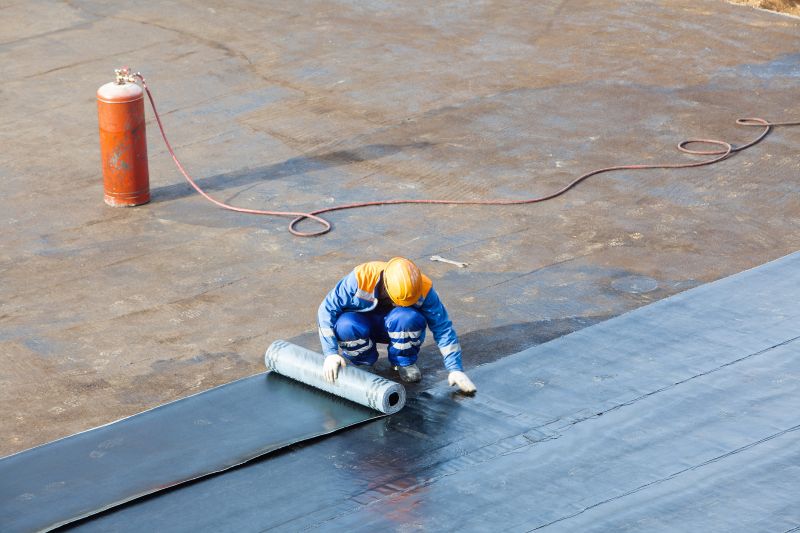
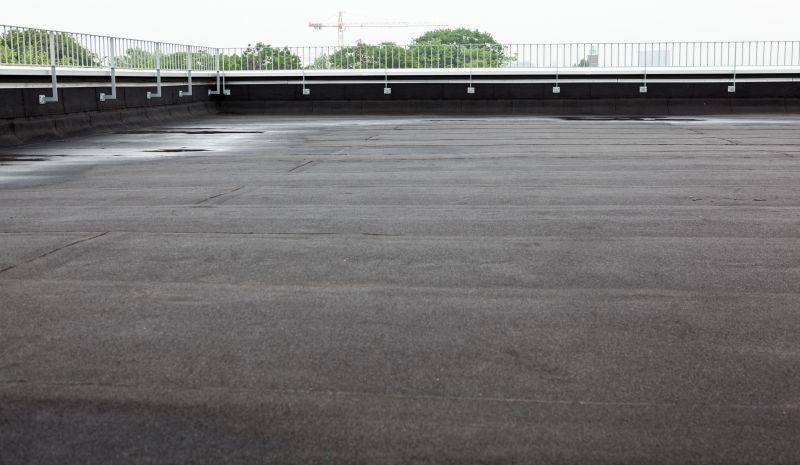
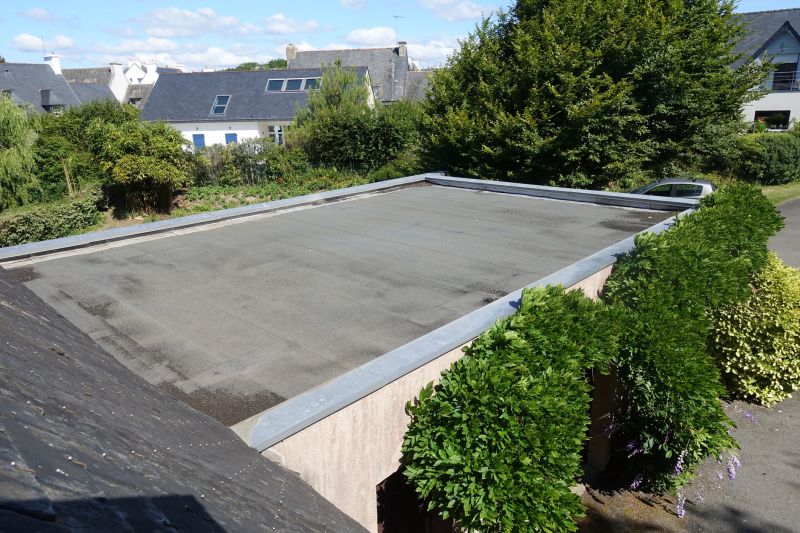
Flat roof installation services involve the process of designing and constructing flat roofing systems on various types of properties. This typically includes preparing the existing structure, selecting appropriate materials, and installing a durable, weather-resistant roof. Contractors may also handle the removal of old roofing materials, ensure proper insulation, and apply protective coatings to extend the lifespan of the new roof. The goal is to create a reliable covering that provides effective protection against water infiltration and other environmental elements.
Many common problems can be addressed through professional flat roof installation. Over time, flat roofs are prone to issues such as leaks, ponding water, and membrane deterioration. These problems can lead to interior water damage, mold growth, and structural concerns if not properly managed. Installing a new flat roof can help resolve these issues by replacing aging or damaged materials with modern, resilient options. Proper installation also helps prevent future leaks and enhances the overall integrity of the building’s top surface.
Flat roofs are often found on commercial buildings, apartment complexes, and certain residential properties like modern-style homes or additions. These roofs are favored for their straightforward design and ease of access, which simplifies maintenance and repairs. They are suitable for properties that require a spacious, level surface for rooftop equipment, solar panels, or rooftop gardens. Homeowners considering a flat roof typically look for a solution that offers durability, low maintenance, and the ability to maximize usable space.
Choosing to work with local contractors ensures access to experienced professionals familiar with the specific needs of flat roof installations in the area. These service providers can assess the property’s condition, recommend appropriate materials, and perform the installation efficiently. Whether building a new flat roof or replacing an existing one, property owners can contact local pros to find the right solution for their property type and budget. Proper installation by skilled contractors helps ensure a long-lasting, effective roofing system that protects the property for years to come.
The overview below groups typical Flat Roof Installation projects into broad ranges so you can see how smaller, mid-sized, and larger jobs often compare in your area.
In many markets, a large share of routine jobs stays in the lower and middle ranges, while only a smaller percentage of projects moves into the highest bands when the work is more complex or site conditions are harder than average.
Smaller Repairs - minor repairs on flat roofs typically cost between $250 and $600, covering patching leaks or replacing small sections. Many routine fixes fall within this range, depending on the extent of the damage and materials used.
Partial Replacements - replacing a section of a flat roof usually ranges from $1,500 to $3,500, with costs influenced by the size of the area and type of materials. Larger or more complex partial jobs tend to push costs toward the higher end of this spectrum.
Full Roof Replacement - a complete flat roof replacement generally costs between $5,000 and $15,000, depending on the size of the roof and the materials selected. Most projects fall into the middle of this range, while larger or more intricate installations can go higher.
Complex or Large-Scale Projects - extensive flat roof installations or those with special requirements can exceed $20,000, especially for commercial or multi-story buildings. These projects are less common and tend to be at the upper end of typical cost ranges.
Actual totals will depend on details like access to the work area, the scope of the project, and the materials selected, so use these as general starting points rather than exact figures.
Commercial Roof Replacement - local contractors experienced in flat roof replacement can handle large-scale commercial projects requiring similar planning and roofing skills.
Roof Deck Repair - repairing or replacing roof decks involves similar assessment and preparation processes as flat roof installation.
Waterproofing Systems Installation - installing waterproofing layers on flat roofs shares techniques and tools used in flat roof construction and maintenance.
Green Roof Installation - creating green roofs requires expertise in flat roofing structures, waterproofing, and planning for plant integration.
Roof Insulation Installation - adding insulation to flat roofs involves similar surface preparation and layering techniques as flat roof installation.
Skylight Integration in Flat Roofs - installing skylights requires precise cutting and sealing, skills that align with flat roof installation services.
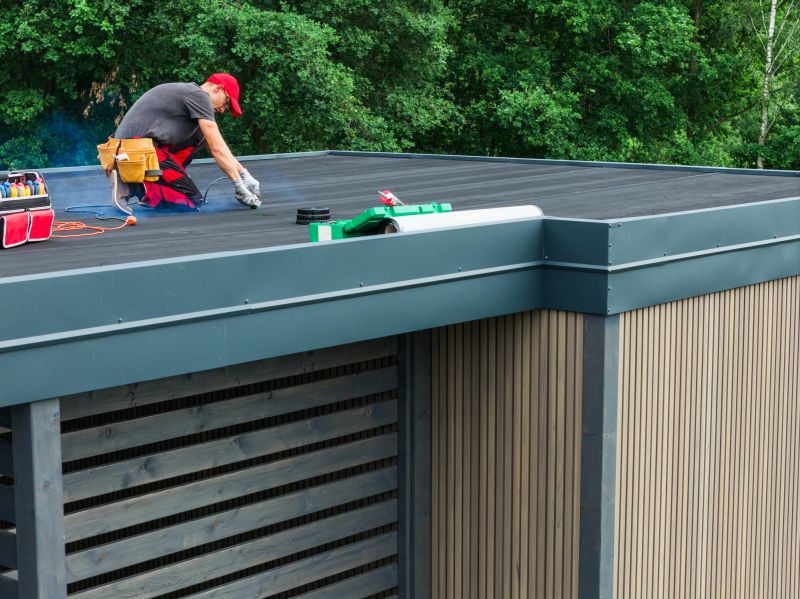
When comparing local contractors for flat roof installation, it’s important to consider their experience with similar projects. A contractor who has successfully handled flat roofs comparable in size, material, and complexity is more likely to understand the specific challenges involved. Asking for details about their past work can provide insight into their familiarity with flat roof systems and their ability to deliver quality results. This focus on relevant experience helps ensure that the chosen service provider has a proven track record with projects like yours.
Clear, written expectations are essential when evaluating potential service providers. A reputable contractor should be able to provide a detailed scope of work, including the materials to be used, the installation process, and any warranties or guarantees offered. Having these details in writing helps prevent misunderstandings and ensures all parties are aligned on project goals. It’s also helpful to review any written estimates or proposals carefully, so expectations are transparent from the outset.
Reputable references and good communication are key factors in selecting a reliable contractor. Asking for references from previous clients who had similar flat roof projects can offer valuable insights into the contractor’s professionalism, reliability, and quality of work. Additionally, a contractor’s responsiveness and clarity in communication can indicate how well they will manage the project and address concerns. Connecting with local service providers who demonstrate transparency and open dialogue can lead to a smoother, more predictable installation experience.
Property owners use Flat Roof Installation services for practical projects around their homes and businesses. This guide focuses on everyday jobs and straightforward project options.
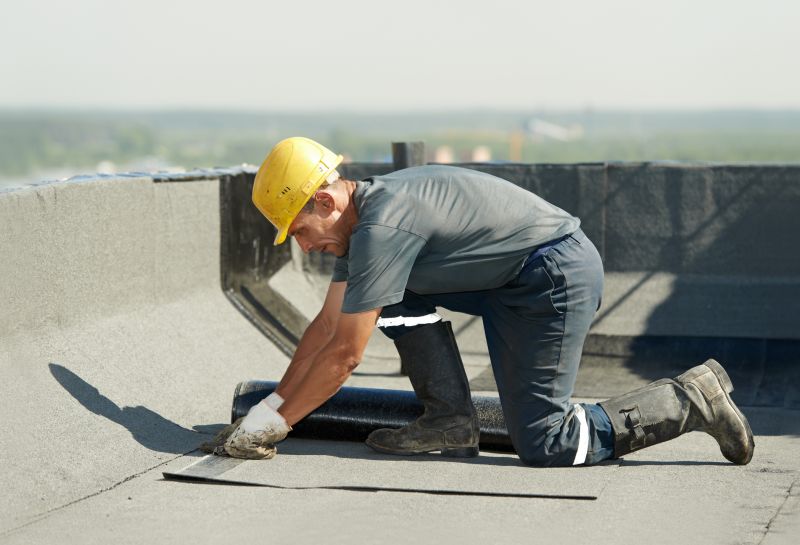
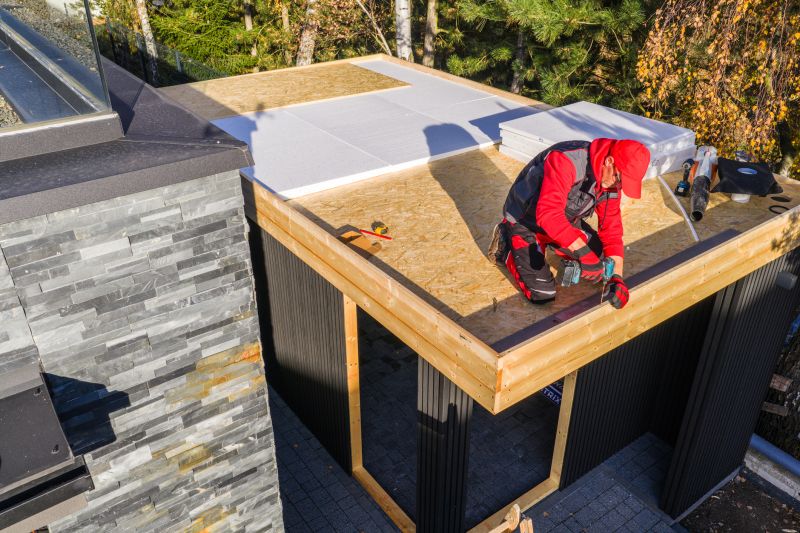
Flat roof installation services are often needed when property owners notice signs of damage, such as leaks, cracks, or pooling water, especially after heavy weather. Building owners may also seek new installations during renovations or when adding extensions, ensuring their flat roofs are built to withstand daily wear and tear. Local contractors can assist with these projects, providing expertise to help property owners maintain the integrity and functionality of their roofs over time.
Additionally, property owners might look for flat roof installation services when upgrading older roofs that have become worn or inefficient. Whether for commercial buildings or residential properties, many seek professional help to ensure proper installation and avoid issues like leaks or structural problems. Local service providers are available to support these needs, offering solutions tailored to the specific requirements of each property.
What are the benefits of installing a flat roof? Flat roofs can provide additional usable space, streamline installation for certain building types, and often require less material than pitched roofs.
What materials are commonly used for flat roof installation? Common materials include built-up roofing (BUR), single-ply membranes like EPDM, TPO, and PVC, each offering different durability and maintenance options.
How do local contractors handle flat roof installation projects? Experienced service providers assess the building’s needs, select appropriate materials, and perform installation following best practices to ensure proper drainage and durability.
Are there specific considerations for flat roof installation in different climates? Yes, local contractors consider climate factors such as rainfall, snow, and temperature variations to recommend suitable materials and installation techniques.
What maintenance is typically required after a flat roof installation? Regular inspections for damage or leaks, clearing debris, and prompt repairs help maintain the roof’s integrity over time.
Prevent Water Damage - Flat roof installation services can help property owners protect their buildings from leaks and water intrusion during heavy rain or storms.
Upgrade Old Roofs - Replacing worn or damaged flat roofs ensures better durability and functionality for commercial or residential spaces.
Improve Insulation - Flat roof services can assist in adding insulation layers to enhance energy efficiency and indoor comfort.
Expand Living or Storage Space - Flat roofs can be converted into rooftop decks, gardens, or additional storage areas with proper installation.
If you are thinking about Flat Roof Installation for a property, this guide is meant to help you understand the work, the typical project types, and how different options might fit your plans.
When you are ready, you can use the quote form on this page to share a few details about your project. From there, local pros can review the basics and respond with options that match what you have in mind.